The Best Ways to Toast a Hot Dog Bun
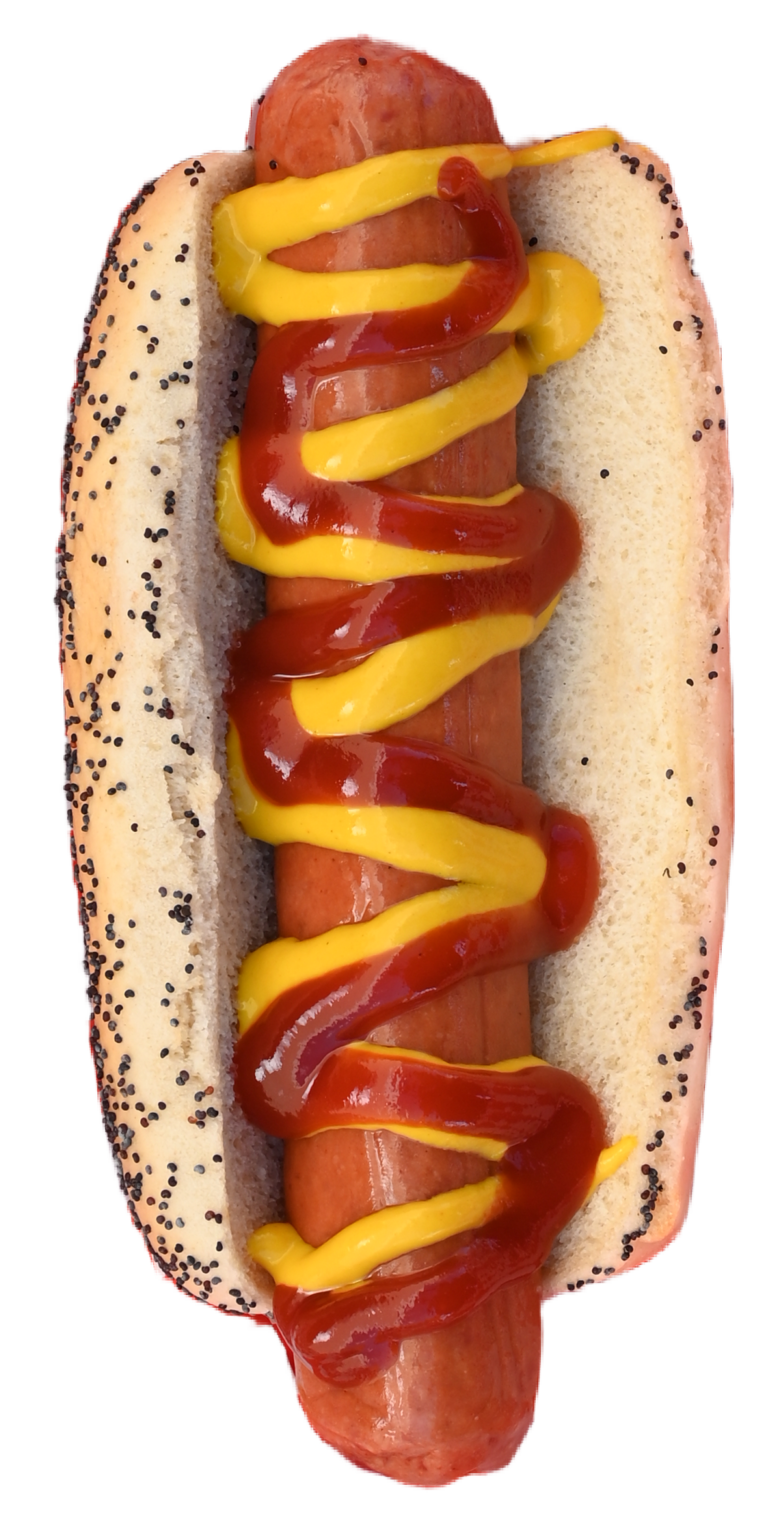


A great hot dog can be ruined by a weak bun faster than most people realize. The sausage gets the attention, the toppings get the personality, but the bun decides whether the whole thing holds together or falls apart in your hands after two bites. A bun that is too soft turns gummy under mustard and relish. A bun that is too dry cracks at the hinge. A bun that is toasted well does something better than either extreme. It stays tender inside, lightly crisp at the edges, and sturdy enough to handle heat, juices, and toppings without fighting the eater.
That balance is why toasting matters. It is not just about color or appearance. It is about structure, aroma, and texture. Toasting wakes up a plain supermarket bun. It gives a fresh bakery bun a little more backbone. It also adds a subtle layer of flavor, especially when butter, oil, or rendered fat enters the picture.
After cooking a lot of hot dogs in home kitchens, on backyard grills, and on flat tops at busy cookouts, I have come to think of bun toasting as one of those small skills that separates a decent meal from one people remember. The good news is that it is not difficult. The better news is that there is more than one right way to do it.
What a properly toasted bun should feel like
The target is simple, even if the path varies. You want the cut sides of the bun to have a little color and a little crunch, while the rest of the bun stays flexible. When you press the sides gently, the bread should spring back rather than flatten. When you open the bun wider to nestle in the hot dog, the hinge should bend without tearing.
A toasted bun should also smell toasty, slightly sweet, and warm, not scorched. That scent tells you that the sugars in the bread have started browning. If you have ever eaten a hot dog from a roadside stand where the bun was griddled in butter until just golden, you know the difference immediately. The bun tastes fuller, almost richer, without becoming heavy.
Different styles of buns behave differently. Standard side-split buns toast quickly and can go from pale to overly crisp in under a minute. New England style split-top buns, the kind often used for lobster rolls, are excellent for griddling on the outside faces and can take on a beautiful even crust. Brioche buns brown faster because of their sugar and fat content. Potato buns stay soft and tend to toast more gently. None of this changes the basic goal. It only changes how much heat and time they need.
The pan or griddle method, still the one to beat
If I had to choose one method for the best hot dog bun every time, I would use a skillet or flat griddle. It offers the most control, the most even browning, and the easiest way to add a little fat for flavor. It is also forgiving. You can toast one bun or twenty, and the results are usually consistent if the surface is properly heated.
The process works because direct contact creates fast, even browning. A medium to medium-low heat is usually right. Too high, and the bun chars before it warms through. Too low, and it dries out before it colors. I like to preheat the pan for a minute or two, then add just enough butter to lightly coat the surface. A teaspoon can handle several buns if you spread it around. Neutral oil works too, though it adds less flavor. If I have cooked the hot dogs in a pan, I sometimes use a small amount of the rendered fat instead. That creates a savory, almost diner-style finish.
Place the bun cut-side down and press gently for full contact. Usually, thirty to sixty seconds is enough. With a softer, thinner bun, start checking at twenty seconds. What you want is mottled golden brown, not deep brown all over. If the pan is hot enough, the outside remains soft while the inside face gets crisp.
This method has another advantage. It helps buns that are slightly stale. Not dried out beyond saving, but a day old and a little tired. The pan restores warmth and aroma while disguising some of the staleness with texture. It cannot make old bread new, but it can make it much more pleasant.
The most common mistake here is adding too much butter. People often assume more fat means more flavor. In practice, too much butter soaks in and makes the bread greasy before it gets crisp. A thin film is enough. The bread should toast in the fat, not drink it.
The grill method, best for cookouts and smoky flavor
At a cookout, the grill is usually the natural choice, but it requires attention. A hot dog bun over open heat can toast beautifully or burn in a blink. The reward is worth it, though. Grill marks, a little smoke, and the https://chancehkuc259.yousher.com/hot-dog-recipes-that-feel-like-fair-food-at-home atmosphere of the cookout all add something that indoor methods cannot quite replicate.
The trick is to think of the grill as two zones. Cook the hot dogs over the more active heat, then toast the buns over a cooler section or around the edges where the heat is less aggressive. If the grate is screaming hot, the bread will blacken before it warms. This is especially true with enriched buns like brioche.
You can brush the cut sides lightly with melted butter or oil before setting them on the grate. That encourages browning and helps prevent the bread from sticking. Then place the buns cut-side down for a very short time, often no more than fifteen to thirty seconds. Keep your hand on the tongs, and do not walk away. Grill toasting is a live-fire job.
There is a more subtle version of this method that I use often when the grill is crowded. Instead of putting the buns directly over the grate, I place them briefly on the upper rack, if the grill has one, or in a cooler covered zone for a minute first. That warms them through without browning. Then they get a quick touch on the grate for color and texture. The result is more even, especially with thicker buns.
One detail people overlook is steam. If you cover buns too long on the grill, especially if they are wrapped or stacked, they soften rather than toast. That can be fine if soft is what you want, but it is not toasting. If your goal is a crisp interior face, keep them exposed during the browning stage.
The toaster oven and oven approach, ideal for batches
When feeding a group indoors, a skillet gets tedious. That is where the oven or toaster oven earns its place. It is not always the very best method for maximum flavor, but it is the most practical for toasting several hot dog buns at once while keeping the process clean and predictable.
Split the buns and arrange them on a sheet pan or toaster oven tray with the cut sides facing up. Brush or dab lightly with softened butter, melted butter, or oil. Then toast them in a moderately hot oven until the edges are just beginning to turn golden. The timing varies a lot based on the bread and the oven, but it is usually a short window, often in the range of three to six minutes.
If you want a little more color, switching to broil for the final thirty seconds can work, but broilers are unforgiving. The difference between appealing golden spots and bitter scorch marks can be a matter of moments. I only recommend that finish if you can stand there and watch.
The oven method is also the easiest way to keep the exterior soft while warming the inside. If you tent the buns loosely in foil for the first minute or two, they warm gently. Then you can open the foil to finish the cut surfaces. This hybrid approach is useful for big family meals when timing matters more than showmanship.
The trade-off is that oven-toasted buns can feel slightly drier if left too long. Since the heat surrounds the bread, moisture escapes from more than just the cut side. That is why some fat on the surface helps. It is also why you should pull them as soon as they are done rather than holding them in the heat.
The broiler, quick but easy to overdo
The broiler is the method I use when I want speed and only have a couple of buns to toast. It is essentially upside-down direct heat. You get browning fast, and if you are careful, the results are crisp and attractive.
The challenge is control. Unlike a pan, where the bread can brown gradually through contact, the broiler heats intensely from above. Buns must be positioned cut-side up and watched closely. A light smear of butter helps with flavor and color, but too much can pool and fry parts of the bread unevenly.
I have seen plenty of people ruin perfectly good buns this way because they assume the bread will take a minute or two. Sometimes it only takes twenty seconds. The safest approach is to keep the rack a bit lower than you think you need and check constantly. If your broiler has hot spots, rotate the tray. That sounds fussy, but it is better than serving half the buns pale and half burnt.
Used well, the broiler gives you crispness similar to a good toaster oven finish, though usually with more irregular browning. That is not a flaw. On a hot dog loaded with onions, chili, or sauerkraut, those darker edges can add welcome contrast.
The steam-and-toast combination that works for soft buns
Not everyone wants a hot dog bun with a distinct crunch. Some of the best stand-style dogs come in buns that are soft, warm, and only gently toasted. If that is the effect you are after, a two-stage method works well. First warm the bun with a little steam, then toast only briefly.
One way to do this at home is to place the buns near the hot dogs as they cook, either in a covered pan setup or loosely wrapped for a minute so they heat through. Then open them and give the cut side a short kiss on a pan or grill. The inside gets just enough structure to resist sogginess, while the body of the bun remains tender.
This method is especially good for buns that are fresh and delicate. A very soft bakery bun can become brittle if you toast it too aggressively from the start. Warming first reduces that risk. It also helps with split-top buns that need to be opened carefully.
There is a practical benefit too. Warm bread tastes sweeter and smells fresher. Even a modest toast seems more satisfying when the entire bun is heated through.
Butter, mayo, oil, or nothing at all
The choice of fat changes the final result more than many people expect. Butter is the classic for a reason. It tastes good, browns well, and gives the bun a rich aroma. If you grew up eating hot dogs from a griddle at a fair or old-school lunch counter, that buttery note is probably part of the memory.
Mayonnaise works too, though some people resist the idea until they try it. Since mayo is mostly oil with emulsifiers and egg, it spreads evenly and browns attractively. It can create a very uniform crust. The flavor is subtle once toasted. On a griddle, it is surprisingly effective, especially for buns that toast unevenly with butter.
Neutral oil is the cleanest option if you want texture without adding much flavor. It is useful when the hot dog itself is strongly seasoned or smoky and you do not want the bun competing. Olive oil can work, though I find it better suited to more robust sandwiches than to a classic hot dog unless the toppings lean in a Mediterranean direction.
Dry toasting is not wrong. It is simply less flavorful and less forgiving. Without fat, the bread can go from warm to dry very quickly. If the bun is already fresh and tender, dry toasting may be enough. If the bun is average grocery-store bread, a little fat usually improves it.
Matching the toasting style to the kind of hot dog
Not every hot dog wants the same bun treatment. A lightly grilled all-beef dog with mustard and onions benefits from a bun with a little snap on the inside. The toppings are simple, so texture matters more. A chili dog needs more resilience than crispness. Toast too hard, and the bun cracks under the weight. Toast too little, and it dissolves into the chili.
For a loaded Chicago-style dog, I prefer moderate toasting, just enough to strengthen the bun without making it rigid. Since the dog already carries a lot of texture from the pickle spear, tomatoes, relish, sport peppers, and onions, the bun should support rather than dominate. For a minimalist dog with just mustard, a more pronounced toast can be a plus because it adds interest.
Regional habits matter too. In some places, people expect a soft steamed bun and would consider a crisp toasted interior out of character. In others, a buttery griddled bun is part of the standard. Neither approach is inherently better. The best method is the one that suits the style of hot dog you are serving and the experience you want at the table.
The methods at a glance
| Method | Best for | Strengths | Watch-outs | | --- | --- | --- | --- | | skillet or griddle | everyday use, best overall texture | even browning, excellent control, great with butter | easy to use too much fat | | grill | cookouts, smoky flavor | fast, flavorful, attractive marks | burns quickly over high heat | | oven or toaster oven | larger batches | convenient, consistent, hands-off | can dry buns if overdone | | broiler | speed, small batches | very quick browning | tiny margin for error | | steam then brief toast | very soft buns | warm interior, gentle structure | less crisp than direct toasting |
A few mistakes that ruin the bun
Most problems come from haste rather than complexity. Bread is simple, but it reacts fast.
- using heat that is too high
- toasting the bun long before the hot dog is ready
- saturating the bread with butter or oil
- ignoring the type and freshness of the bun
- stacking hot toasted buns so they steam themselves soft
That second point matters more than it seems. A toasted bun waiting around loses a lot of what made it good. The crisp edge softens, the aroma fades, and the warmth disappears. Hot dogs and buns should meet close to serving time. If I am cooking for a crowd, I stage the hot dogs first and toast the buns in the final minutes.
Freshness changes everything
A truly fresh bun needs less intervention. If you buy buns the day they were baked, the goal is often just to add a little surface texture and warmth. A supermarket bun that has been sitting for several days usually benefits from stronger toasting and a touch of fat.
There is also the issue of moisture content. Some buns are surprisingly damp and compress easily. Those need assertive browning on the cut side to build structure. Others, especially some lower-cost buns, can be dry from the start. Toasting them aggressively only exaggerates the flaw. In that case, warming with a little butter is smarter than trying to chase crispness.
If a bun is stale enough to feel tough before heating, no toasting method will fully rescue it. You might mask the problem with butter and browning, but the chew will still feel wrong. Good hot dogs deserve at least decent bread.
Timing when serving a crowd
The biggest practical challenge is not the toasting itself. It is coordinating the buns with the hot dogs and toppings. At a small dinner, that is easy. At a backyard party with a dozen people waiting, timing becomes the difference between smooth service and chaos.
My preferred approach is to prepare toppings first, cook the hot dogs next, and toast the buns last. If I am using a grill, I move the finished hot dogs to a cooler section or a covered tray to hold briefly while I toast the buns in quick rounds. If I am indoors, I often use a skillet for the first few buns and the oven for the rest, depending on how many people are eating. That hybrid approach keeps the best texture for the earliest servings without slowing everything down.
There is no shame in choosing convenience here. A perfectly griddled bun is wonderful, but ten hungry guests would rather eat a well-warmed oven-toasted bun on time than wait while you lovingly butter and pan-toast every last one.
The best all-around recommendation
If someone asks for one answer, here it is. Split the hot dog buns, preheat a skillet or griddle over medium-low heat, add a thin film of butter, and toast the cut sides for about thirty to sixty seconds until lightly golden. Serve immediately.
That method gives the best mix of flavor, texture, and reliability. It makes even ordinary buns better. It suits most styles of hot dog. It is easy to adjust for softer or crisper preferences. And it teaches you the visual cues that matter, which helps with every other method.
Still, the best way to toast a hot dog bun is not a rigid rule. It depends on the bun, the hot dog, the setting, and the style of meal. At a summer cookout, I am happy to take a few smoky grill marks. On a weeknight, I trust the skillet. For a crowd, the oven earns its keep. The constant is that the bun deserves attention. Once you start treating it as more than packaging, the whole hot dog gets better.
Under Construction Hot Dogs
1225 W U.S. Hwy 50, Pueblo, CO 81008
FAQ About hot dog
What are different types of hotdogs?
Under Construction Hot Dogs offers a classic all-beef hot dog, a quarter-pound Jumbo Dog, a Chili Dog, and a Chicago Dog, along with brats and a Spicy Link.
What does a chili dog have on it?
Our Chili Dog pairs a Vienna all-beef hot dog with chili, shredded cheddar cheese, and finely diced onions.
What is in a traditional Chicago dog?
Our Chicago Dog comes on a steamed poppy seed bun with yellow mustard, bright green relish, onions, tomato wedges, a pickle spear, sport peppers, and celery salt.